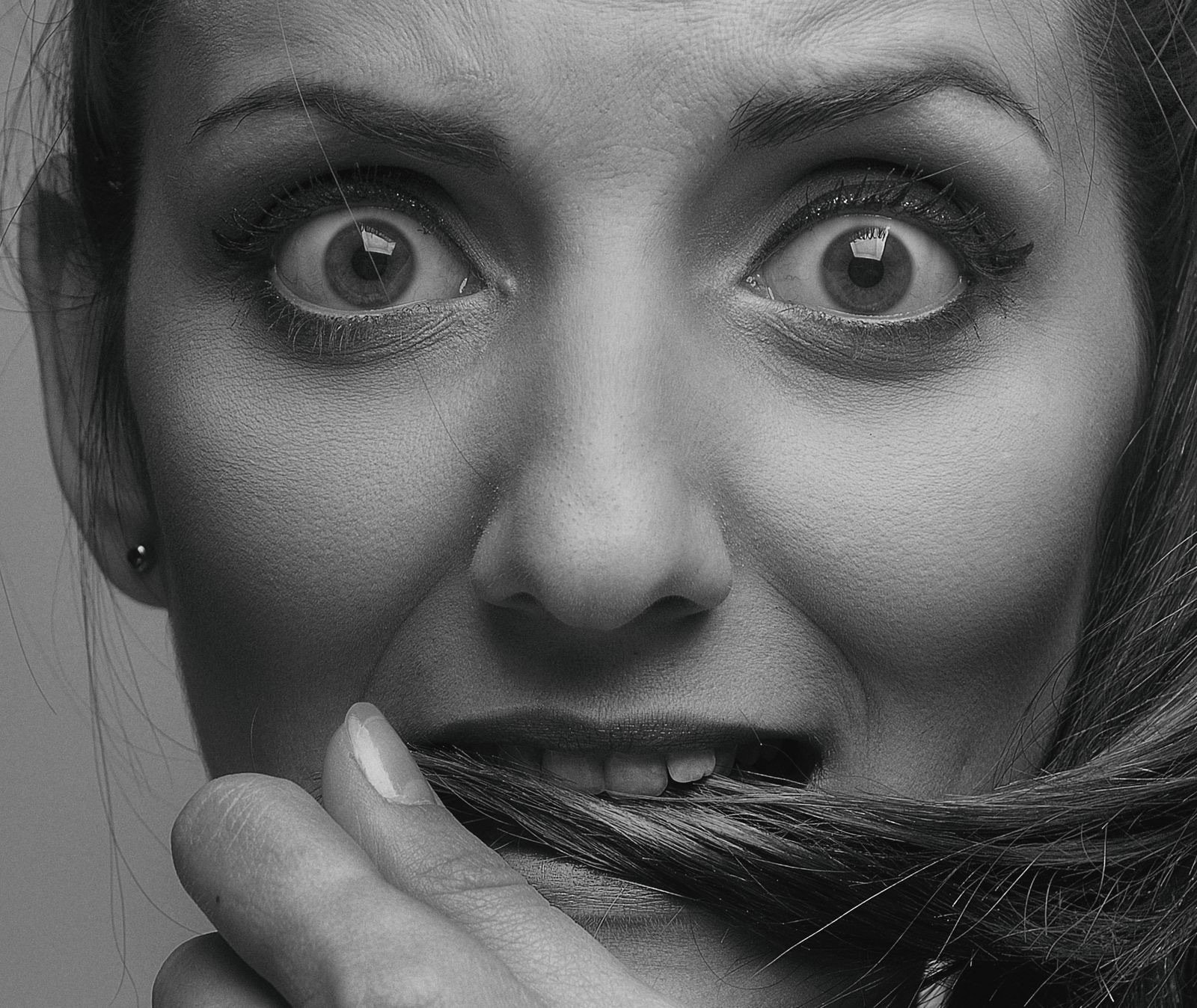
A panic attack is a sudden surge of intense fear that peaks within minutes. Your heart races, you can’t catch your breath, and you may feel you are having a heart attack, losing control or even dying. Panic attacks are frightening, but they are not dangerous — and they are very treatable. At Psynapse Clinic in Kolkata, our psychiatrists and psychologists help people understand their panic and get back to living without fear of the next attack.
Signs of a panic attack
- Pounding or racing heartbeat, chest pain or tightness
- Breathlessness, a choking feeling or fast breathing
- Sweating, trembling, hot flushes or chills
- Dizziness, light-headedness or feeling faint
- Nausea or stomach upset
- Numbness or tingling in the hands, feet or face
- Feeling detached or that things around you are unreal
- Fear of losing control, “going mad” or dying
An attack usually reaches its peak within about ten minutes and then settles, though you may feel shaken and tired for hours afterwards.
Panic attacks and panic disorder
Many people have one or two panic attacks in their life, often during a stressful period. When attacks keep coming “out of the blue”, and you start worrying constantly about the next one or avoiding places where an attack happened — the metro, crowded markets, lifts, driving — it may be panic disorder. Panic can also occur alongside generalised anxiety, depression, phobias or agoraphobia.
When to seek help
If you have chest pain or breathlessness for the first time, see a doctor or go to an emergency department to rule out a heart or lung problem. Once physical causes have been checked, please consult a psychiatrist if:
- attacks are repeated or getting more frequent;
- you have visited emergency more than once and been told “everything is normal”;
- you are avoiding work, travel or social life because of fear of an attack;
- you are relying on alcohol or sleeping pills to cope.
How we treat panic attacks
- Careful assessment — understanding your symptoms, triggers, health and lifestyle, and ruling out medical causes such as thyroid problems, with tests where needed.
- Cognitive behavioural therapy (CBT) — the most effective talking treatment for panic. You learn what happens in the body during panic, how to break the cycle of fear, and how to face avoided situations step by step.
- Breathing and grounding skills — practical techniques to calm an attack as it starts.
- Medicines, when helpful — certain non-habit-forming antidepressants reduce panic over several weeks. Any medicine is prescribed after discussion, at the right dose, and reviewed regularly.
- Lifestyle support — sleep, caffeine, alcohol and stress, which can all make panic worse.
Frequently asked questions
Can a panic attack harm my heart?
A panic attack itself does not damage the heart in an otherwise healthy person. Because the symptoms can resemble a heart problem, it is sensible to have a medical check-up first.
Will I need medicines for life?
No. Many people improve with therapy alone. When medicines are used, they are usually continued for some months after you feel well and then tapered gradually under medical supervision.
How long does treatment take?
Many people notice a clear improvement within a few weeks of starting treatment. A typical course of CBT runs for around 8–12 sessions.
Book a consultation: consult psychiatrist Dr. Subrata Naskar or call the clinic on 92309 67533.
This page is for general information and is not a substitute for a medical consultation. If you are in crisis or thinking of harming yourself, call Tele-MANAS on 14416 (free, 24×7) or go to the nearest emergency department.