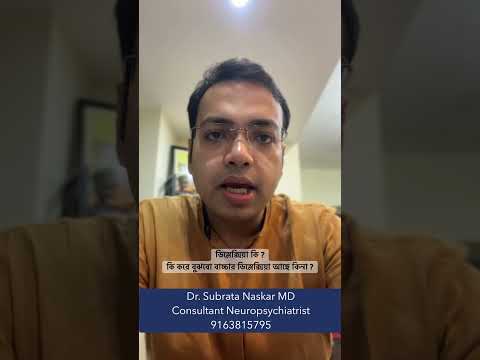
Schizophrenia is a severe mental disorder involving disturbances in thought, emotion and perception, and a disconnection from reality. It affects about 1 in 300 people worldwide and is one of the most misunderstood conditions in medicine. This talk, given on World Schizophrenia Day, aims to spread awareness and stop the stigma.
Key points
- Schizophrenia arises from a combination of genetic vulnerability, brain development and environmental stress.
- Cannabis (ganja) use, especially in adolescence, increases the risk.
- It is not caused by black magic, sin or bad parenting.
- Antipsychotic medicines, family therapy and rehabilitation are the pillars of treatment.
- People with schizophrenia need care and inclusion, not discrimination.
What causes schizophrenia?
- Genes — the risk is higher if a close relative has schizophrenia, but most people with a family history never develop it.
- Brain chemistry and development — changes in dopamine and glutamate signalling, and subtle differences in brain development.
- Environment — complications at birth, childhood adversity, migration and urban stress.
- Substances — cannabis and other drugs can trigger psychosis in vulnerable people.
Treatment
Medicines: antipsychotics reduce hallucinations and delusions and prevent relapse. Long-acting injections help people who find daily tablets difficult.
Psychosocial care: psychoeducation for the family, cognitive behavioural therapy for psychosis, social skills training and vocational rehabilitation.
Follow-up: regular reviews, monitoring for side effects, and early action at the first sign of relapse.
How families and society can help
Encourage treatment without blame, learn about the illness, keep a calm and supportive home, watch for early relapse signs, and include the person in family and community life. Discrimination and isolation make recovery harder.
When to see a psychiatrist
- Suspiciousness, hearing voices or unusual beliefs
- Stopping medicines followed by sleep loss or irritability (early relapse)
- Aggression, wandering, or refusal to eat
- Thoughts of self-harm
বাংলায় সংক্ষেপে: স্কিজোফ্রেনিয়ার কারণ ও চিকিৎসা
জিনগত প্রবণতা, মস্তিষ্কের রাসায়নিক পরিবর্তন, মানসিক চাপ এবং গাঁজা বা অন্য মাদক — এগুলোর মিলিত প্রভাবে স্কিজোফ্রেনিয়া হয়। এটি তুকতাক, পাপ বা খারাপ লালন-পালনের ফল নয়।
চিকিৎসার মূল ভিত্তি অ্যান্টিসাইকোটিক ওষুধ, পরিবারকে বোঝানো, থেরাপি ও পুনর্বাসন। নিয়মিত ফলো-আপে রোগ ফিরে আসা আটকানো যায়।
স্কিজোফ্রেনিয়ায় আক্রান্ত মানুষকে বৈষম্য নয়, যত্ন ও পাশে থাকা প্রয়োজন।
Frequently asked questions
Does cannabis cause schizophrenia?
Cannabis use, especially heavy use in adolescence, significantly increases the risk of psychosis and schizophrenia in vulnerable people and worsens the course of illness.
Is schizophrenia hereditary?
Genes play a role, but having a relative with schizophrenia does not mean you will develop it; most people with a family history do not.
What is a long-acting injection?
It is an antipsychotic given as an injection every few weeks, which helps people who have difficulty taking tablets daily and reduces relapse.
Book a consultation
Online appointment booking and teleconsultation are available.
This article is general health information, not a diagnosis or a substitute for a consultation. In a crisis or with thoughts of self-harm, call Tele-MANAS 14416 (free, 24×7) or 112.