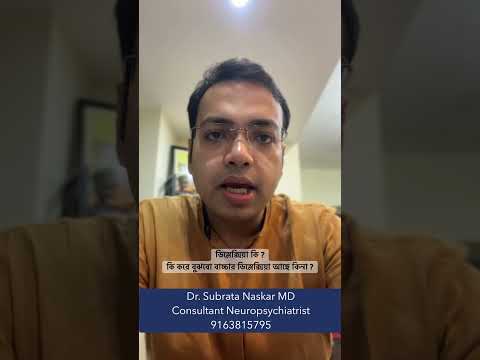

Schizophrenia is a serious but treatable mental illness that affects how a person thinks, feels and perceives reality. It usually begins in late adolescence or early adulthood. This talk was recorded at Psynapse Clinic’s World Schizophrenia Awareness Day 2026 programme, held to spread awareness, reduce stigma and encourage timely treatment.
Key points
- Schizophrenia is a brain illness — not a character flaw, not “possession” and not caused by bad parenting.
- Symptoms include hearing voices, fixed false beliefs, confused thinking and withdrawal.
- Early signs often appear months before a full episode.
- With proper treatment, family support and regular follow-up, people can live meaningful, dignified lives.
- “Understanding, not fear. Treatment, not shame. Standing beside, not keeping away.”
Symptoms of schizophrenia
Positive symptoms (experiences added to normal life):
- Hallucinations — hearing voices others cannot hear, or seeing things
- Delusions — fixed false beliefs, such as being followed, poisoned or controlled
- Disorganised thinking and speech — talk that jumps between topics or is hard to follow
Negative symptoms (things lost from normal life): reduced emotion and speech, loss of motivation, social withdrawal and neglect of self-care.
Cognitive symptoms: poor attention, memory and planning.
Early warning signs
Before the first episode, families often notice the person becoming withdrawn and suspicious, sleeping poorly, losing interest in studies or work, talking or laughing to themselves, or expressing strange ideas. Getting help at this stage gives the best results.
Treatment and recovery
Treatment combines antipsychotic medicines, psychoeducation for the family, psychological therapy, and social and vocational rehabilitation. Regular follow-up and taking medicines consistently are key to preventing relapse.
When to see a psychiatrist
- Hearing voices or believing others are plotting against them
- Talking or laughing to oneself, strange or confused speech
- Sudden withdrawal, suspiciousness, aggression or neglect of self-care
- Any risk of harm to self or others — seek help urgently
বাংলায় সংক্ষেপে: স্কিজোফ্রেনিয়া কী?
স্কিজোফ্রেনিয়া কোনো চরিত্রের দুর্বলতা নয়। এটি একটি চিকিৎসাযোগ্য মানসিক অসুস্থতা। কানে গায়েবি আওয়াজ শোনা, অহেতুক সন্দেহ বা ভ্রান্ত বিশ্বাস, অসংলগ্ন কথা, নিজের মনে কথা বলা বা হাসা, সবার থেকে গুটিয়ে যাওয়া — এগুলো লক্ষণ।
সঠিক চিকিৎসা, পরিবারের সহযোগিতা এবং নিয়মিত ফলো-আপ থাকলে স্কিজোফ্রেনিয়ায় আক্রান্ত মানুষও সুন্দর, মর্যাদাপূর্ণ ও অর্থবহ জীবন কাটাতে পারেন।
ভয় নয়, বোঝাপড়া চাই। লজ্জা নয়, চিকিৎসা চাই। দূরত্ব নয়, পাশে থাকা চাই।
Frequently asked questions
Is schizophrenia the same as split personality?
No. Schizophrenia does not mean multiple personalities. It is a disorder of thinking and perception, such as hearing voices or holding false beliefs.
Can people with schizophrenia work and marry?
Yes. With treatment and support, many people with schizophrenia study, work, marry and live independently.
Do medicines have to be taken lifelong?
Many people need long-term treatment to prevent relapse. The duration is decided with the psychiatrist based on the course of illness.
Book a consultation
Online appointment booking and teleconsultation are available.
This article is general health information, not a diagnosis or a substitute for a consultation. In a crisis or with thoughts of self-harm, call Tele-MANAS 14416 (free, 24×7) or 112.